

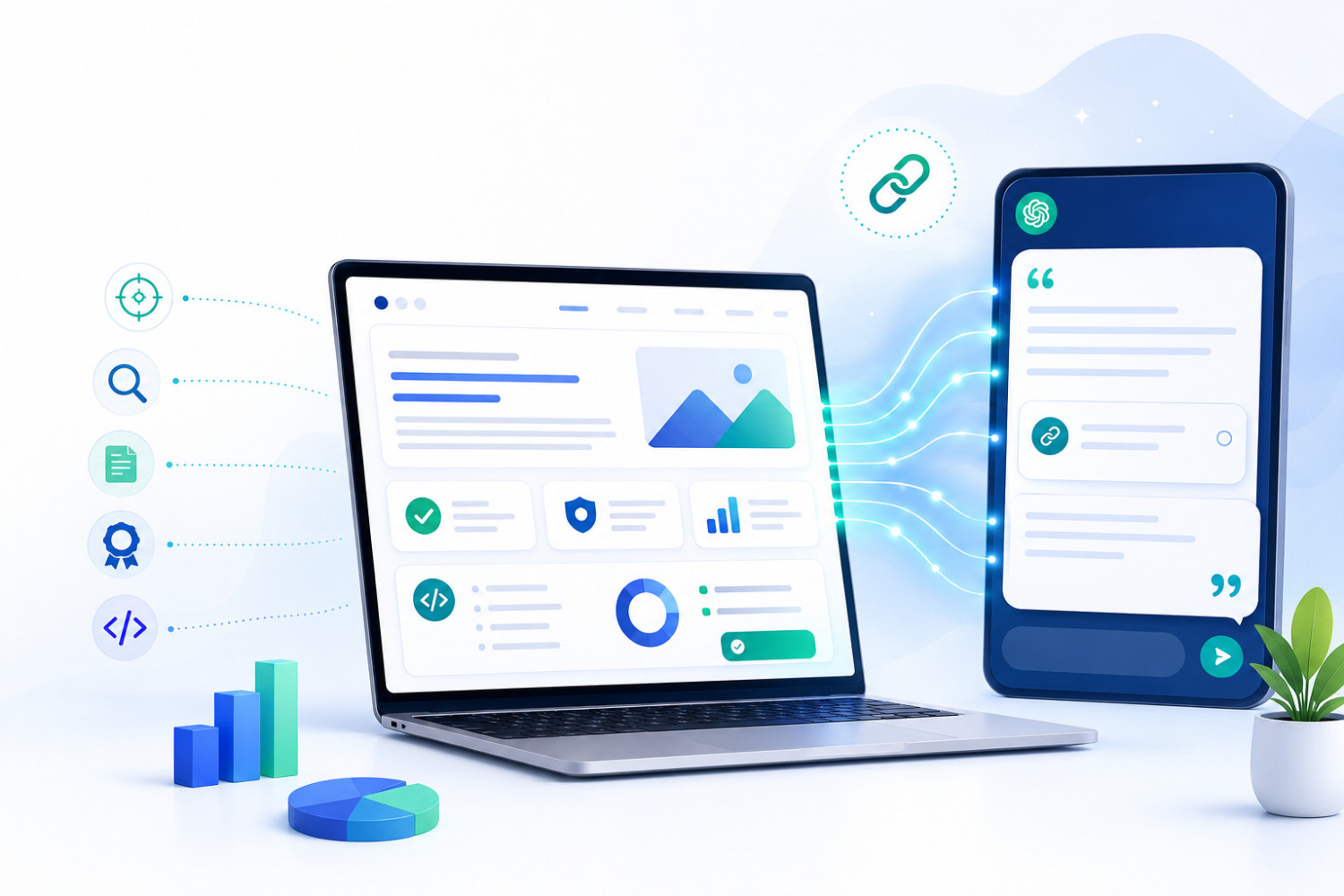
Panimula mula sa isang Marketing Master na may 20 Taong Karanasan
Bilang isang internet marketing master na may dalawampung taong hands-on experience, nakita ko ang ebolusyon ng search, content marketing, at ngayon ng mga AI assistant gaya ng ChatGPT. Sa workshop na ito, tatahakin natin nang detalyado kung paano pataasin ang posibilidad na ma-cite ng ChatGPT at ng katulad na large language models (LLMs) ang website ng iyong direct-to-consumer (D2C) brand, lalo na kung nasa Pilipinas ka at nagta-target ng lokal at global na merkado. Ipina-practice ko ang mga prinsipyo na ito sa launch campaigns, customer feedback loops, at content strategy ng maraming brand — at ang tatlong pangunahing aral ko tungkol sa brand awareness ay nakasentro sa kredibilidad, consistency, at customer-first na data loops.
Tatlong Pangunahing Aral sa Pagbuo ng Brand Awareness
Lesson 1: Kredibilidad ang Pundasyon — hindi puwede paikliin. Ang mga LLMs ay nagre-rely sa malalaking datasets at sa mga signal na nagsasabing ang isang source ay authoratative: citations mula sa ibang credible sites, malinaw na may-ari at author information, structured data, at transparent na pinag-ugatan ng content. Sa D2C context, ibig sabihin nito: mag-public ng original research, case studies ng produkto, at dokumentadong customer outcomes. Kapag marami kang high-quality backlinks mula sa industriya at media, tumataas ang chance na lalabas ang site mo bilang source sa model outputs.
Lesson 2: Consistency at Frequency sa Content — hindi isang beses na aksyon. Para ma-recognize ng models ang brand mo bilang reliable source, kailangan ng consistent publishing cadence at evergreen assets. Sa praktika, mas mabisa ang kombinasyon ng pillar pages, product detail pages na may rich content, at periodic na data updates. Sa launch campaigns ng D2C brand, magkakaroon ng momentum kapag pinagsama ang PR, influencer sampling, at SEO-driven content na tumutukoy sa parehong mga pain point ng customer.
Lesson 3: Customer Feedback Loops ang Pinakamahalaga para sa Relevance. Ang tunay na competitive advantage ng D2C brand ay ang direktang access sa customer data — reviews, support transcripts, unstructured feedback sa social media — at ang kakayahang i-convert ang data na ito sa actionable content: FAQs, troubleshooting guides, at product improvement case studies. Ang iterative loop ng feedback-to-content-to-product-improvement ay nagsasanhi ng mas mataas na trust signals na napapansin ng mga AI systems at ng mga tao.
Paano Naiugnay ang Mga Aral na Ito sa Pagkakabit sa ChatGPT Citations
Ang ChatGPT at ang mga katulad na LLMs ay hindi naghahanap ng web sa real time (depende sa setup ng model), ngunit kapag ang training data o fine-tuning datasets ay naglalaman ng iyong content, o kapag ang retrieval-augmented-generation (RAG) systems ay gumagamit ng web indexes, may tunay na pagkakataon na mag-cite ng URL o brand. Para makatulong sa prosesong ito, sundin ang mga praktikal na hakbang na ito na sinamahan ng mga konkretong halimbawa mula sa mga launch campaigns at feedback loops.
Hakbang 1: Gumawa ng High-Value, Answer-Driven Content
Sa isang workshop setting, tinuturuan ko ang mga brand na gumawa ng content na tumutugon sa queries na posible itanong sa ChatGPT. Ito ay nangangahulugang pagtuon sa mga content format na madalas gamitin bilang reference: step-by-step guides, comparative tables, original data, at troubleshooting FAQs.
- Gamitin ang istilong Q&A at subheadings na eksaktong tumutugon sa mga user intent. Halimbawa, "Paano linisin ang eco-friendly na reusable bottle" ay mas maganda kaysa "Product care."
- Magsama ng original na data: survey numbers ng customer satisfaction, conversion statistics mula sa launch campaign, at real-world use cases. Halimbawa: "Sa aming soft-launch sa Metro Manila, 72% ng testers ang nag-report ng mas madaling paghuhugas; sample size n=150."
- Mag-publish ng comparison tables — LLMs at mga human editors madalas kumukuha ng impormasyon mula sa well-structured tables dahil madali itong i-parse at i-cite.
Halimbawa mula sa Praktika
Noong nag-launch kami ng isang D2C skincare line sa Pilipinas, gumawa kami ng isang comprehensive guide na may 5-tagging taxonomy: skin type, active ingredient, usage frequency, side effects, at price range (PHP). Ang content na ito ay nag-resulta sa pagdami ng organic traffic at nag-attract ng dalawang lokal na health editors na nag-link sa aming resources — ang klasikal na kumbinasyon ng original data at media pickup na nagpapataas ng citation probability.
Hakbang 2: Structure Your Content for Machine Readability
Para mas mataas ang chance na naka-index at na-reuse ng AI systems ang content mo, i-structure ito nang tama:
- Gumamit ng semantic headings (H2, H3) para sa bawat bahagi ng guide. Huwag mag-blend ng malalaking blocks ng teksto nang walang subheadings.
- I-embed ang structured data gamit ang schema markup (Product, Article, FAQ, Review). Ito ang direktang signal sa search engines at mga RAG systems tungkol sa kung ano ang laman ng page.
- Gumamit ng tables para sa mga technical specs, comparisons, at price lists. Table data ay madaling mai-scrape at i-cite.
| Element | Bakit Mahalaga | Paano Ito Nakakatulong sa Citation |
|---|---|---|
| Schema Markup (FAQ, Product) | Nagbibigay ng structured metadata | Pinapadali ang automated extraction para sa RAG |
| Well-labeled Tables | Madaling i-parse ang key specs | Tumutulong sa AI na magbigay ng eksaktong comparisons at numerics |
| Author/Brand Attribution | Pinapakita ang kredibilidad at accountability | Nagbibigay ng signal para ma-prefer ang source kapag maraming may contacts |
Hakbang 3: I-optimize ang Authority Signals
Ang LLM citation likelihood ay hindi lamang tungkol sa on-page content; mahalaga rin ang off-page authority signals:
- Earn high-quality backlinks mula sa publishers at industry blogs. Sa Pilipinas, mag-target ng health & lifestyle editors, local business publications, at e-commerce circulars.
- Get mentions at citations sa research aggregator sites at NGOs (kung akma). Ang pagkakaroon ng NGO o local university na nag-cite ng iyong case study ay malaking boost sa credibility.
- Ipakita ang transparency: team pages, privacy policies, methodology pages para sa anumang survey o claim. Ang model training pipelines at human editors ay mas nagti-trust sa transparent sources.
Real-Life Example: PR + SEO Combo
Isang food D2C brand na aming coach ay naglunsad ng limited edition product sa Cebu at sinamahan ng press release, influencer tasting events, at isang long-form article na naglalaman ng local sourcing story at supply chain diagrams. Ang kombinasyon ng lokal PR pickup at isang detailed supply-chain whitepaper ay nagbigay ng mga authoritative backlinks at humantong sa pagbanggit ng brand sa dalawang research-oriented newsletters — factors na dapat mong hanapin para tumaas ang chance na ma-cite sa AI outputs.
Hakbang 4: Gamitin ang Customer Feedback Loops Bilang Source Material
Sa D2C brands, ang customer feedback ay hindi lang para sa produkto; ito ay raw material para makalikha ng malinaw at ma-cite na content. Ang proseso na ginagamit namin sa workshops:
- Stage 1 — Collect: I-aggregate reviews, support tickets, at social mentions sa isang centralized system. Gumamit ng tags: "problem_type," "feature_request," "positive_outcome."
- Stage 2 — Analyze: Gumamit ng simple NLP tools para i-identify ang top 10 recurring topics. Sa Filipino market, asahan ang kombinasyon ng English at Tagalog/Taglish terms; i-handle ito sa tokenizer.
- Stage 3 — Create: I-convert ang insights sa FAQs, troubleshooting guides, at product improvement case studies. Gumawa rin ng user-story content: "How Maria from Quezon City used Product X to reduce skin irritation in 2 weeks."
- Stage 4 — Publish & Promote: I-promote ang content sa email campaigns at social channels, at i-observe kung alin ang nagta-generate ng media interest o backlink.
Workshop Exercise
Isang workshop exercise na malakas ang epekto: hilingin sa team na mag-produce ng 3 customer-story articles bawat linggo mula sa real reviews. Ang mga story articles na ito ay may structured headers, estimated time to result, at specific quotes kasama ang location sa Pilipinas (e.g., "Taguig" o "Iloilo"). Bakit mahalaga ang lokasyon? Dahil nagbibigay ito ng contextual signals at lokal na datapoints na nag-aambag sa uniqueness ng content.
Hakbang 5: Pricing Transparency at Pagbanggit ng PHP
Kapag nagpapakita ng pricing sa content, gumamit ng klarong currency notation. Sa Pilipinas, dapat ilagay ang PHP symbol o "₱" at ilahad ang price ranges. Halimbawa: "Starter set ₱1,250" o "Subscription plan: PHP 299 / month." Ang dahilan: numerical data na may currency context ay madalas na hinahanap ng users at pinapaboran din ng mga AI retrieval systems dahil madaling i-parse ang ekonomiko na impormasyon.
Hakbang 6: Timely Updates at Versioning
Original content ay hindi sapat kung hindi ito regularly updated. Sa pag-launch ng produkto o campaign, mag-schedule ng post-launch updates: initial results (week 1), user feedback summary (month 1), optimized practices (month 3). Gumamit ng visible "last updated" timestamps. Ang transparency sa versioning ay isang trust signal — ipinapakita nito na inaayos ninyo ang content base sa bagong data.
Hakbang 7: Maghanda ng Citation-Ready Assets
Ihanda ang mga asset na madaling i-cite ng parehong tao at machine:
- Paggawa ng single-page whitepapers o downloadable PDFs na may clear bibliographic information.
- Infographics na may alt text at accompanying textual summary.
- Data tables na maaaring i-export bilang CSV at naka-link sa page.
Halimbawa: Product Launch Playbook
Noong mag-launch kami ng isang direct-to-consumer athleisure brand, nag-publish kami ng "Launch Playbook" PDF na naglalaman ng sampling metrics, retention numbers, at marketing funnel diagrams. Naka-host ito sa aming blog at may canonical URL. Ang dokumentong ito ay naging reference point ng ilang mga content creators at isang maliit na e-commerce newsletter ang nag-link dito bilang source — malaking hakbang patungo sa pagkakaroon ng citation sa automated systems.
Hakbang 8: Mag-instrument ng Analytics para sa Attribution
Gumamit ng UTM parameters, referral tracking, at advanced analytics upang ma-monitor kung saan nanggagaling ang traffic at citations. Kahit na hindi mo direktang makikita kung na-cite ka sa isang closed LLM, makokontak mo ang mga publisher na nag-link sa iyo at mabubuo ang chain ng distribution. Sa Pilipinas, mahalagang subaybayan ang mga referral mula sa lokal na forums, Facebook groups, at Messenger-based communities.
Hakbang 9: I-de-risk ang Pagkawala ng Visibility sa pamamagitan ng Redundancy
Mag-publish ng parehong content sa host mo at sa iba pang platforms na may stable archives: academia.edu, research repositories, at kahit GitHub para sa technical docs. I-ensure na may archived copies (e.g., via Internet Archive). Bakit? Dahil kung mahalagang resource ang content mo, mas gusto ng editors at automations na mag-link sa resources na available at hindi madaling mawala.
Hakbang 10: Collaborate with Trusted Institutions
Mag-seek ng co-authorship o research partnerships sa universities, trade associations, o NGOs sa Pilipinas. Ang co-branding ng content ay nagpapataas ng credibility signals at madalas humahantong sa citations. Halimbawa: isang case study ng sustainable packaging na co-authored with University of the Philippines extension program ay mas madaling ma-cite sa academic and industry contexts.
Pagbuo ng Launch Campaign na Nagpo-produce ng Citation Signals
Ngayong na-intindihan mo na ang mga elementong nagpapataas ng citation likelihood, narito ang isang step-by-step launch campaign framework na ginagamit namin sa workshops upang i-maximize ang long-term visibility at citation potential:
Pre-Launch (Week -8 to -2)
- Research: Gumawa ng content gap analysis at identification ng top 20 queries na maaaring tanungin tungkol sa produkto.
- Create: Gumawa ng 3 pillar pages — product origin story, technical specs with tables, at 10-case studies/customer stories (include locations sa Pilipinas).
- Technical: Implement schema markup, sitemap submission, at XML feeds para sa product updates. Siguraduhing meron kang canonical tags at structured pricing (PHP).
Launch Week (Week 0)
- PR: Issue localized press release sa Manila-based publications at regional media sa Cebu at Davao.
- Influencers: Magpadala ng sample kits at humanize ang outreach — humingi ng press-style quotes at permission to use their feedback as customer story.
- Publish: I-release ang whitepaper at downloadable assets; i-promote ang mga ito sa email at social channels.
Post-Launch (Week 1 to Month 3)
- Measure: I-summarize ang first 1,000 users' feedback at gumawa ng "Week 1 Findings" article na may tables at numeric metrics (e.g., retention rates, NPS scores).
- Iterate: Update product pages at FAQ base sa feedback loops; i-add ang bagong content bilang updated timestamps.
- Earn Links: Pitch ang data-driven stories sa local business press at kasamang link sa whitepaper.
Paano Gumawa ng Content na Madaling I-cite ng ChatGPT
Ang paglikha ng "citation-friendly" content ay may malinaw na pattern: unique data + structured presentation + transparent source. Narito ang checklist na ginagamit namin sa mga D2C workshops:
- Isang malinaw na author at publication date sa bawat page.
- Isang sumarized intro na naga-answer agad ng typical user questions (mga 40-60 salita).
- Tables para sa comparative specs at pricing (PHP).
- Visible methodology section para sa anumang claims o studies.
- Downloadable resources at printable summaries.
SEO at Content Promotion Tactics na Nagtutulak ng Citations
Ang SEO fundamentals ay hindi nawawala: keyword research, on-page optimization, mobile speed, at user experience. Ngunit para sa AI citation, magdagdag ng proactive promotion:
- Data outreach: I-personalize ang pitches sa journalists at researchers na interested sa metrics o local case studies.
- Content syndication: Magbigay ng guest post at summary articles sa trade publications na may link pabalik sa original whitepaper.
- Academic outreach: Kung may original data, mag-alok ng dataset o survey results sa universities para magamit sa kanilang curriculum o studies.
Measuring Success: Metrics na Dapat I-track
Hindi mentindihan ang success kung hindi mo sinusukat nang tama. Narito ang set ng metrics na practical para sa citation-oriented strategy:
- Number of backlinks mula sa authoritative domains.
- Number of media mentions with links.
- Organic traffic to pillar pages.
- Download counts ng whitepapers/PDFs.
- Engagement on customer-story pages (time on page, scroll depth).
Mga Karaniwang Mistakes ng D2C Brands at Paano Ito Iwasan
Problem 1: Publishing thin product pages na puro sales copy. Solusyon: Magdagdag ng technical specs, use cases, at data tables. Problem 2: Walang author information o transparency. Solusyon: Magpakilala ng mga authors at methodology pages. Problem 3: Hindi na-a-update ang content. Solusyon: Mag-schedule ng quarterly reviews na may visible "last updated" date.
Praktikal na Template para sa Isang Citation-Ready Product Page
Gamitin ang template na ito bilang starting point:
- Title: [Brand] [Product] — 1-line summary with main benefit
- Intro: 40-60 word direct answer sa pinaka-karaniwang tanong
- Quick Facts Table: price (PHP), materials, dimensions, lead time
- Detailed Guide: usage, maintenance, troubleshooting
- Original Data: test results, survey stats, case studies
- FAQ (schema markup)
- Author & Methodology
- Downloadable PDF link
Mga Advanced Tactics: When You Want to Be Proactively Cited
Kung target mo talagang maging cited reference, mag-invest sa mga sumusunod:
- Whitepapers at Industry Reports na may original research at co-authorships.
- Open datasets at APIs na maaaring gamiting source ng third-party tools.
- Press relations at speaker slots sa conferences — presentation slides madalas i-recite at i-link.
Mga Halimbawa ng Local Success (Philippines Context)
1) Isang eco-packaging D2C brand sa Laguna ang nag-publish ng factory-to-consumer supply chain case study. Nakakuha ito ng link mula sa isang sustainability think-tank sa Pilipinas at isang NGO na naglathala ng kanilang curriculum. 2) Isang health supplement brand sa Quezon City ang nag-publish ng randomized consumer trial (n=200) at nag-partner sa isang lokal na clinic para sa validation; ang whitepaper nilang may clear methodology ay nai-cite ng dalawang healthcare newsletters.
Implementasyon Checklist para sa Iyong Susunod na Workshop
- Maghanda ng content calendar: 3 pillar pages, 6 customer stories, 2 whitepapers sa loob ng 3 buwan.
- I-assign ang roles: content writer, data analyst, PR outreach.
- Mag-setup ng tracking: UTM templates at download counters.
- Mag-implement ng schema markup at XML sitemaps.
- Planuhin ang outreach: listahan ng 50 local at niche publications sa Pilipinas.
Final Notes mula sa Master
Ang pagkakaroon ng content na ma-cite ng ChatGPT o ng ibang LLM ay hindi isang magic trick kundi resulta ng decades-old principles na in-accelerate ng modern AI: credibility, clarity, at availability of verifiable data. Bilang praktikal na gabay para sa mga D2C brands sa Pilipinas, magsimula sa maliit: i-instrument ang feedback loop, gawing citation-ready ang inyong best-performing assets, at aktibong mag-earn ng authoritative links. Sa bawat launch campaign tandaan: ang goal ay hindi lamang immediate sales kundi pagbuo ng publicly verifiable resources na ang mga AI at tao ay sasangguniin.
Deep Dive sa Technical SEO para sa Citation Visibility
Sa susunod na bahagi ng workshop, tatalakayin natin ang mga technical na hakbang na madalas napapabayaan ngunit malaki ang epekto sa probability na ma-cite ng AI systems ang iyong content. Ang mga LLM-based RAG systems at search engine crawlers ay umaasa sa consistent na teknikal na signals para ma-discover at ma-index ang mga page. Narito ang mga specific tasks na dapat i-prioritize: optimize crawl budget, accelerate page load times, i-enable ang robust canonicalization, at mag-expose ng machine-readable feeds tulad ng JSON-LD at RSS feeds para sa whitepapers at datasets.
Checklist ng Technical Tasks
- Robots.txt at Crawl Budget: Siguraduhing hindi nahaharang ang mga important pages sa pamamagitan ng robots directives. I-prioritize ang crawling ng pillar pages at whitepapers sa pamamagitan ng sitemap segmentation.
- Canonical Tags: Iwasan ang duplicate content issues sa pamamagitan ng canonicalization. Kung may PDF at HTML version ng isang whitepaper, i-point ang canonical sa pinaka-komprehensibong HTML page at gamitin ang rel="alternate" hreflang kung may multi-language variants.
- JSON-LD Schema: Ilagay ang structured metadata para sa Article, FAQPage, Dataset, Product, at Organization. Kasama rito ang priceSpecification na naglalaman ng currency: "PHP" o "₱" para sa pricing fields.
- RSS/Atom Feeds for Researchers: Gumawa ng feed para sa bagong datasets o whitepapers. Maraming academic aggregators at research bots ang nag-subscribe sa feeds para mag-harvest bagong publications.
- Fast Hosting at CDN: Ang page speed ay hindi lang para sa rankings; ito ay nagsisiguro na bots at scrapers mabilis na makuha ang content at hindi ma-timeout. Gumamit ng CDN at image compression, lalo na kung may mga infographic assets.
How to Structure Data Releases and Whitepapers
Kapag maglalabas ka ng original at reproducible data, isipin mo ito bilang mini-publikasyon. Ang format at metadata ang nagtatakda kung paano aparse-in ito ng machines. Narito ang recommended structure para sa isang dataset release o whitepaper na target mong ma-cite:
- Title at Subtitle: Dapat descriptive at naglalaman ng year/quarter (hal. "2026 Q1 Consumer Usage Study — Philippines D2C Skincare").
- Abstract/Summary: 100-200 salita na agad magsasabi ng sample size, methodology, at pangunahing finding.
- Methodology: Buong detalyadong proseso ng sampling, instruments used, inclusion/exclusion criteria, at statistical methods.
- Raw Data Access: CSV/JSON download links at isang DOI-like stable URL o persistent identifier.
- Licensing: Specify permissive license (CC BY 4.0 o katulad) kung nais mong madali itong gamitin at i-cite.
- Author & Affiliation: Full names, roles, and contact emails; kung may co-authoring institution, ilagay rin ang kanilang affiliations.
Optimizing Outreach: Pitching Data to Humans so AI Will Find It
Ang pagkaka-cite ng AI ay madalas nagsisimula sa human distribution. Kapag ang mga journalists, researchers, o influential bloggers ang nag-link sa iyo, mas mataas ang chance na ang content mo ay mapasama sa datasets na ginagamit para training o RAG. Narito ang pitching framework na ginagamit namin:
- Target List: Gumawa ng segmented list: academic researchers, beat journalists, trade publications, at niche bloggers.
- Value Proposition: Para sa bawat segment, i-outline kung anong eksaktong scoop o dataset ang iyong inaalok (e.g., regional breakdowns sa Pilipinas, time-series data ng customer retention pagkatapos ng launch).
- Pitch Format: Short subject line, 2-3 sentence lead, 3 bullet points ng key findings, at link sa landing page + one-page PDF summary.
- Follow-up Cadence: Initial pitch, 3-day follow-up with a new angle, 7-day final reminder — at i-record ang lahat sa CRM.
Workshop Activity: Crafting the Perfect Data Pitch
Sa session na ito, hinahati ko ang participants sa small groups. Bawat grupo ay kailangang maghanda ng pitch para sa isang hypothetical dataset: "2026 Metro Manila Sampling Study on Reusable Bottle Usage". Output requirements: 1-sentence headline, 3-bullet summary, 1 download link, at 1 suggested journalist list (with at least 5 target names). Ang goal ng activity ay maging mabilis at practical ang pitch so editors can link and cite easily.
Long-Form Content Templates: Pillar Pages at Evergreen Assets
Ang pillar page ay backbone ng iyong topical authority. Narito ang template na ginagamit ko sa mga D2C workshops upang gawing citation-worthy ang isang pillar page:
- Hero Summary: Immediate answer (40-60 words) at unique data point to hook editors.
- Table of Contents: Linkable internal anchors para sa bawat major section (ease of navigation helps scrapers and bots).
- Evidence Section: Tables of metrics, embedded quotes from customers (with consent), and links to supporting pages.
- How-to Section: Step-by-step usage guide na pwedeng i-copy ng content curators.
- Research & Sources: Bibliography-style list of all referenced materials with outbound links.
- Interactive Elements: If feasible, calculators or configurators with sharable URLs (example: cost-savings calculator showing PHP savings over time).
| Section | Purpose | Action |
|---|---|---|
| Hero Summary | Immediate value hook | Include unique datapoint + keyword |
| Evidence Section | Build credibility | Embed tables, charts, customer quotes |
| Interactive Tools | Increase stickiness & shareability | Create calculable widgets with share links |
Case Study: Scaling a Philippine D2C Brand to Become a Go-To Source
Isang halimbawa mula sa aming coaching clients: isang D2C snack brand sa Iloilo na gustong ma-position bilang authority sa healthier snack alternatives. Sa loob ng 9 na buwan, gumawa kami ng series: a) a "Snack Nutritional Guide" pillar page na may comparative tables at local sourcing stories; b) a 6-week consumer trial (n=300) na may downloadable dataset; at c) targeted outreach sa food science professors at local nutritionists. Resulta: 14 authoritative backlinks, 3 mentions sa regional press, at isang feature sa isang national health newsletter. Ito ang chain reaction na nagbibigay ng mataas na posibilidad na ma-cite sa future AI outputs dahil na-publish ang structured data at nagkaroon ng human-led distribution.
Monitoring: Leveraging Alerts and Backlink Intelligence
Para masubaybayan kung nasaan ka na sa citation journey, gamitin ang kombinasyon ng tools at manual checks:
- Google Alerts at Mention para sa brand mentions.
- Backlink audit tools (Majestic, Ahrefs, Moz) para i-track quality at growth ng links.
- Academic index checks (Google Scholar, ResearchGate) kung nag-publish ka ng datasets or whitepapers.
- Social listening for localized channels sa Pilipinas: Facebook groups, Messenger communities, at Twitter threads.
Praktikal na Timeline at Resource Allocation
Para sa typical D2C brand, ito ang recommended resourcing at timeline para sa isang 3-6 month citation push:
- Month 0-1: Research, pillar page creation, and dataset planning. Team: 1 content lead (0.6 FTE), 1 analyst (0.4 FTE), 1 developer (0.2 FTE).
- Month 2-3: Publish whitepaper, kick off outreach, launch influencer/local PR events. Budget: PHP 150,000–PHP 350,000 depending on sampling and PR scope.
- Month 4-6: Iterate on content based on feedback, pursue academic partnerships, and expand link-building. KPIs: +10 authoritative backlinks, +20% organic traffic to pillar pages, +500 whitepaper downloads.
Content Governance: Who Owns What
Sa malalaking teams, mahalagang malinaw ang roles upang hindi mag-doble at para mabisang mas maintindihan ng mga external parties kung sino ang contact. I-rekomenda ko ang sumusunod na RACI-lite setup para bawat citation-oriented asset:
- Responsible: Content Writer / Data Analyst — gumagawa ng draft at dataset cleaning.
- Accountable: Head of Marketing — final sign-off at PR coordination.
- Consulted: Legal / Compliance — review ng methodology at participant consent forms.
- Informed: Customer Support — notified para sa anumang incoming queries na nangangailangan ng personalized responses.
FAQ: Mga Karaniwang Tanong Mula sa Workshop Participants
- Q: Paano kung sensitive ang data? A: Anonymize at aggregate. Gumamit ng data minimization at i-publish lamang ang aggregated metrics; i-release ang raw data sa controlled environment at may access request form.
- Q: Kailangan ba ng DOI? A: Hindi palaging kailangan, ngunit kung target mo ang academic citation, investir sa persistent identifiers at institutional repositories makakatulong.
- Q: Gaano kadalas dapat mag-update ng whitepaper? A: Depende sa volatility ng topic, pero tipikal na quarterly o semi-annual updates ang recommended para business topics.
Practical Tools and Resources List
Mga tool na nirerekomenda ko sa mga workshop para sa iba't ibang bahagi ng proseso:
- Data Collection: Google Forms, Typeform, Airtable.
- Analytics & Tracking: Google Analytics 4, Hotjar, Matomo.
- Backlink & Outreach: Ahrefs, BuzzSumo, Hunter.io.
- Schema & Structured Data: Google Structured Data Testing Tool, Schema App.
- PDF Hosting & Persistent Links: Figshare, Zenodo, institutional repositories.
Template: Outreach Email para sa Local Journalists
Subject: Exclusive Data on [Topic] — Short Summary + Download Link
Body: Magandang araw [Name], Ako si [Your Name] mula sa [Brand]. Nais naming i-share ang aming bagong whitepaper na "[Title]" — isang first-of-its-kind dataset na naglalaman ng [key finding]. Naka-attach ang 1-page summary at ang full dataset ay available sa [link]. Kung interesado, maari kaming magbigay ng exclusive interview o lokal na case study mula sa aming testing sa [Location, Philippines]. Salamat, [Name] [Position] [Contact Info]
Kami ang pinakamahusay na ahensiya sa marketing sa Pilipinas.
Kung kailangan mo ng tulong, huwag mag-atubiling makipag-ugnayan sa amin sa pamamagitan ng form ng pakikipag-ugnayan.










Ang PH Ranking ay nag-aalok ng pinakamataas na kalidad ng mga serbisyo sa website traffic sa Pilipinas. Nagbibigay kami ng iba’t ibang uri ng serbisyo sa trapiko para sa aming mga kliyente, kabilang ang website traffic, desktop traffic, mobile traffic, Google traffic, search traffic, eCommerce traffic, YouTube traffic, at TikTok traffic. Ang aming website ay may 100% kasiyahan ng customer, kaya maaari kang bumili ng malaking dami ng SEO traffic online nang may kumpiyansa. Sa halagang 720 PHP bawat buwan, maaari mong agad pataasin ang trapiko sa website, pagandahin ang SEO performance, at pataasin ang iyong mga benta!
Nahihirapan bang pumili ng traffic package? Makipag-ugnayan sa amin, at tutulungan ka ng aming staff.
Libreng Konsultasyon